Zhixing Machine
Training profile machine operators safely requires more than explaining buttons and production targets. It demands supervised practice, clear procedures, and consistent hazard awareness. The question, “How to train workers to operate profile processing machinery safely,” deserves a practical answer based on real workshop conditions.
A reliable program begins with the machine manufacturer’s manual and site-specific risk assessment. Trainers should explain guarding, emergency stops, isolation procedures, cutting zones, and material handling. Workers need to identify pinch points before powering the machine. They should inspect cables, blades, clamps, sensors, and protective covers during each shift. Small details matter.
Use demonstrations before hands-on practice. Then let each operator perform tasks under direct supervision. Include safe setup, profile alignment, tool changes, cleaning, and fault reporting. Operators should wear task-appropriate protective equipment and understand its limits. Hearing protection may feel unnecessary during a short cycle, but repeated exposure can still cause harm.
Competence should be checked through observation, questions, and controlled practical tests. Training records should show what was taught, when it occurred, and who approved the operator. Refresher training is useful after equipment changes, incidents, long absences, or repeated mistakes.
No training system is perfect. A confident worker may still rush when orders increase. A checklist may be signed without careful inspection. Trainers should review near misses honestly and improve weak steps. Safety grows through repetition, coaching, and accountability. The safest operator is not the fastest one, but the person who recognizes risk before the machine moves.
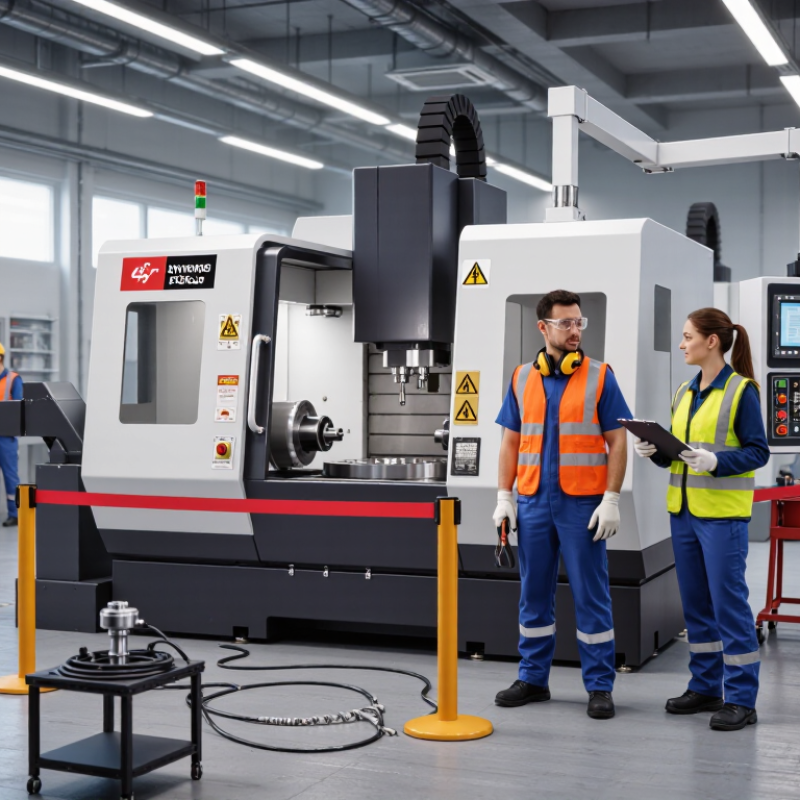
Understanding profile machine hazards starts with seeing the machine in motion. Rotating cutters, pinch points, sharp stock, ejected fragments, noise, and stored energy can injure an experienced operator within seconds. OSHA estimates that machine guarding failures contribute to about 18,000 amputations and 24,000 crushing injuries each year in the United States (OSHA, Machine Guarding eTool). These figures should make training practical, not ceremonial. Operators should identify every danger zone beside the actual machine, with the spindle stopped and the workpiece secured.
A reliable program combines explanation, demonstration, supervised practice, and documented competence. Operators should inspect guards, emergency stops, clamps, tooling, extraction systems, and electrical controls before each shift. They must understand when normal stopping is insufficient and lockout/tagout is required for cleaning, adjustment, or maintenance. OSHA’s Control of Hazardous Energy standard, 1910.147, requires employers to train authorized and affected employees according to their responsibilities. HSE guidance under PUWER also stresses suitable equipment, information, instruction, and training.
Good operators do more than press buttons. They control access, keep loose clothing away, report unusual vibration, and stop production when conditions change. Shortcuts feel efficient. They are not. A supervisor should watch real tasks, including setup and jam removal, rather than rely only on written tests. The U.S. Bureau of Labor Statistics recorded 5,283 fatal work injuries in 2023, showing why routine decisions still deserve attention. Training can be imperfect, too. A missed hazard during one session should trigger a review, not silence.
Establishing safety requirements before training begins is more important than choosing a training schedule. A profile machine can pull in loose clothing, eject sharp fragments, or create unexpected movement. Training should start with a documented risk assessment for the exact machine, material, and work area. Do not rely on a generic checklist. It may miss a damaged guard or an awkward access point.
Before an operator touches the controls, define approved operating steps, emergency-stop locations, isolation procedures, and required protective equipment. Place clear instructions near the machine, where operators can read them without leaving the work zone. Experienced supervisors should demonstrate safe setup, tool inspection, material positioning, and shutdown procedures. The demonstration must include realistic faults, such as a jam or unusual vibration. Small details matter.
Keep trainees away from production pressure during practice. A rushed learner may copy unsafe habits. Use supervised exercises and require the trainee to explain each safety decision aloud. Record attendance, practical performance, and corrective coaching. A written test alone proves very little. Competence should be checked again after maintenance, process changes, or a long absence.
Requirements can still be incomplete. Review them with operators who work beside the machine every day. Their observations may reveal glare, noise, poor visibility, or a control that is difficult to reach. Revise the training when evidence shows a safer method. Safety rules should remain practical, current, and specific to the machine.
Profile machine safety begins before the first piece enters the tooling. Operators should inspect guards, sensors, clamps, emergency stops, and tooling alignment. The floor must be clear. The control panel must show the correct program and material settings.
OSHA’s Control of Hazardous Energy guidance estimates that effective lockout/tagout can prevent 120 deaths and 50,000 injuries annually. That figure makes setup discipline difficult to dismiss.
A trained operator should verify the machine’s zero-energy state before clearing jams or changing tooling. Lock, tag, test. Then perform a slow dry run with guards secured. Keep hands outside the danger zone, and use approved tools for adjustments.
During operation, watch for vibration, unusual noise, material drift, or rising temperature. Stop the machine when conditions change. Do not rely on experience alone.
Shutdown requires more than pressing the stop button. Complete the final cut, isolate energy when servicing is expected, remove scrap safely, and record defects for the next shift.
OSHA’s machine-guarding requirements emphasize preventing access to moving parts, not merely reacting to injuries. Short refreshers help, but they should include real setup faults and near misses. Some training remains too polished. Operators need honest practice, including mistakes, hesitation, and the uncomfortable question: would this procedure still work during a rushed night shift?
What Is the Safest Way to Train Profile Machine Operators?
Using Supervised Practice to Build Operator Competence
The safest way to train profile machine operators is supervised practice, not a rushed classroom briefing. A new operator should learn one controlled task at a time. A qualified trainer demonstrates setup, guarding, measurement, and emergency procedures beside the machine. The trainee then repeats each step while the trainer watches hands, posture, and decisions. Small errors matter. A loose clamp or ignored alarm can damage material and injure someone.
Practice should begin with the machine isolated and a written risk check. The trainer confirms tool condition, workholding, protective guards, and control settings before power is applied. The current operating manual and site safety rules should guide every exercise. During dry runs, the operator follows the approved procedure without cutting material. The trainer asks why each action is necessary. This reveals memorized habits. It also exposes gaps that a test may miss. Only after consistent performance should supervised production begin, with clear stop-work authority. Each session should record the task, observed errors, coaching, and assessor sign-off.
Experience still needs humility. Even skilled operators can rush when output targets rise. I have seen checklists completed too quickly, creating false confidence. A better system includes short pauses, direct feedback, and repeat demonstrations after unusual changes. Operators should report vibration, unexpected noise, poor surface finish, or unclear instructions immediately. Supervisors can review these reports and adjust training before a near miss becomes an accident. After a tooling change, the operator repeats critical steps under observation before returning to normal production.
| Training Stage | Primary Focus | Supervised Practice Activities | Competence Evidence | Suggested Minimum Practice | Safety Release Criteria |
|---|---|---|---|---|---|
| 1. Safety Orientation | Understand workplace hazards, machine safeguards, and emergency controls. |
|
Passes a written or verbal safety check with all critical questions answered correctly. | 2–4 hours | Uses required personal protective equipment and explains when the machine must be stopped and isolated. |
| 2. Machine Familiarization | Learn the machine layout, controls, work envelope, and normal operating limits. |
|
Correctly identifies controls and describes the purpose of each operating step. | 4–8 hours | Does not bypass guards, interlocks, alarms, or other protective devices. |
| 3. Pre-Start Inspection | Build a consistent inspection routine before energizing or loading the machine. |
|
Completes the inspection checklist without missed critical items on repeated observations. | 3–5 supervised checks | Stops the process and reports any unsafe or uncertain condition instead of making an unauthorized adjustment. |
| 4. Setup and Workholding | Secure the workpiece and prepare the machine without creating exposure to avoidable hazards. |
|
Completes the setup using the approved procedure and identifies incorrect seating or alignment. | 5–10 supervised setups | Maintains safe body position, keeps hands outside danger zones, and follows the site isolation procedure. |
| 5. First-Piece Operation | Run the first workpiece under close observation and verify process conditions. |
|
Produces a first piece that meets documented requirements while following every critical safety step. | 3–5 first pieces | Supervisor remains available at the machine and authorizes continuation after the first-piece review. |
| 6. In-Process Monitoring | Recognize normal process behavior and respond correctly to deviations. |
|
Records accurate measurements and makes the correct stop, hold, or escalation decision in practice scenarios. | 1–2 supervised shifts | Never continues production solely to meet output targets when quality or safety is uncertain. |
| 7. Abnormal Conditions | Respond safely to alarms, defects, tool breakage, jams, and unexpected machine behavior. |
|
Demonstrates the correct response during drills without reaching into the machine or defeating safeguards. | 2–4 supervised drills | Can state clearly when to stop, isolate, notify supervision, and wait for authorized assistance. |
| 8. Quality Verification | Connect safe operation with dimensional and process control. |
|
Produces complete records and correctly distinguishes conforming, suspect, and nonconforming work. | 5–10 documented checks | Uses only verified measuring equipment and obtains clarification when requirements conflict or are unclear. |
| 9. Shutdown and Handover | Leave the machine, tools, work area, and records in a safe and controlled condition. |
|
Completes the shutdown and handover checklist accurately on several consecutive occasions. | 3–5 supervised handovers | No energized equipment, unsecured workpieces, blocked access routes, or unreported defects remain. |
| 10. Authorization Review | Confirm that the operator can work independently within a defined scope. |
|
Passes a documented practical assessment and demonstrates consistent safe decisions, not just output speed. | 1 formal assessment | Authorization is signed by an approved assessor and is renewed after significant process, equipment, or procedure changes. |
Safe training starts with observed competence, not a signature sheet. A profile machine operator should identify pinch points, guarding gaps, emergency stops, and stored energy before production begins. The operator must also explain the correct isolation procedure during cleaning, adjustment, or jam removal. A short written test helps, but it cannot replace a floor-based demonstration.
The U.S. Bureau of Labor Statistics recorded 5,283 fatal workplace injuries in 2023, with a national rate of 3.5 deaths per 100,000 full-time workers. Its Employer-Reported Workplace Injuries and Illnesses report recorded about 2.6 million nonfatal injuries in private industry that year. These figures support repeated verification, especially when operators change materials, tooling, speeds, or shift conditions. An assessor should watch hand position, communication, and decisions under a simulated abnormal event.
Ongoing standards need visible routines. Pre-start checks should confirm guards, sensors, floor conditions, and control-panel status. Supervisors can use brief observation cards, near-miss reviews, and monthly skill refreshers. Retraining should follow a procedure change, equipment fault, unsafe shortcut, or extended absence. The National Safety Council’s Injury Facts emphasizes that workplace incidents create both human and operational costs. Still, near-miss reporting is often incomplete. That weakness deserves attention. A quiet record may indicate excellent control, or poor reporting culture. Keep competency records current, and ask operators to explain one safety decision at the machine.
Operators should demonstrate full proficiency in safety-critical tasks before working independently. A practical assessment program combines knowledge checks, hands-on demonstrations, documented observations, and refresher training after process changes, incidents, or observed unsafe behavior. The competency targets below reflect a conservative internal standard aligned with OSHA requirements for machine guarding, lockout/tagout, personal protective equipment, hazard communication, and emergency procedures.
Use explanation, demonstration, supervised practice, and documented competence. A trainer should watch real setup, cutting, shutdown, and jam-removal tasks. Classroom instruction alone is not enough.
Inspect rotating cutters, pinch points, sharp stock, ejected fragments, noise, and stored energy. Check the actual machine with the spindle stopped. Secure the workpiece before inspection.
Check guards, emergency stops, clamps, tooling, extraction, electrical controls, and material positioning. Look for damage, unusual vibration, or poor visibility. Small defects can matter.
Use an approved energy-isolation procedure for cleaning, adjustment, jam removal, or maintenance. Normal stopping may not control stored energy. Never assume the machine is harmless.
Teach one controlled task at a time. The trainer demonstrates, then watches the trainee repeat each step. Observe hand position, posture, tool checks, and decisions.
Require practical demonstrations, spoken safety reasoning, and assessor sign-off. Record errors, coaching, and completed tasks. A written test proves very little.
Repeat critical steps under supervision before normal production resumes. Recheck guards, settings, workholding, and emergency procedures. Changes can create unfamiliar hazards.
Stop the work and report vibration, unexpected noise, alarms, poor finish, or unclear instructions. Do not continue merely to meet output targets. Production pressure can distort judgment.
Review it after maintenance, process changes, long absence, near misses, or repeated mistakes. Ask experienced operators about glare, noise, access, and visibility. Their feedback may reveal missing hazards.
Checklists may be completed too quickly and create false confidence. Training requirements may also miss awkward controls or hidden access points. Review the evidence. Reconsider the method.
The safest way to train profile machine operators is to combine clear instruction, practical supervision, and continuous assessment. Training should begin by explaining common hazards, including moving components, sharp materials, pinch points, noise, dust, and unexpected machine movement. Operators must understand their responsibilities, follow workplace procedures, use appropriate protective equipment, and report unsafe conditions immediately. Before practice starts, instructors should confirm that the work area is organized, safety devices are functional, emergency controls are accessible, and the operator is physically and mentally prepared.
How to train workers to operate profile processing machinery safely involves demonstrating each stage of setup, material placement, machine operation, adjustment, cleaning, and shutdown. Trainees should first observe the correct process, then perform tasks under close supervision using controlled exercises. Instructors should correct unsafe habits promptly and assess skills through practical demonstrations and questions. Regular refresher training, equipment inspections, performance reviews, and updates after process changes help maintain competence and support a strong, lasting safety culture.
