Zhixing Machine
The future of intelligent window door machinery holds significant importance as technology continues to evolve. Innovations in this field not only enhance the functionality of buildings but also improve energy efficiency and security. As society prioritizes sustainability and automation, understanding what the future trend of intelligent window door machinery is becomes crucial.
Consumers and architects alike seek smarter solutions. Advanced materials and sensors can make windows and doors responsive to environmental changes. These developments can contribute to energy savings and comfort in residential and commercial spaces. However, challenges remain. Manufacturers must ensure reliability and efficiency while integrating new technologies.
Emerging trends may include increased automation and connectivity. This integration promises to simplify user experience, but not all solutions are perfect. There is still much to learn about balancing cost, efficiency, and performance. As the industry evolves, continuous reflection and adaptation will be necessary to meet evolving demands.
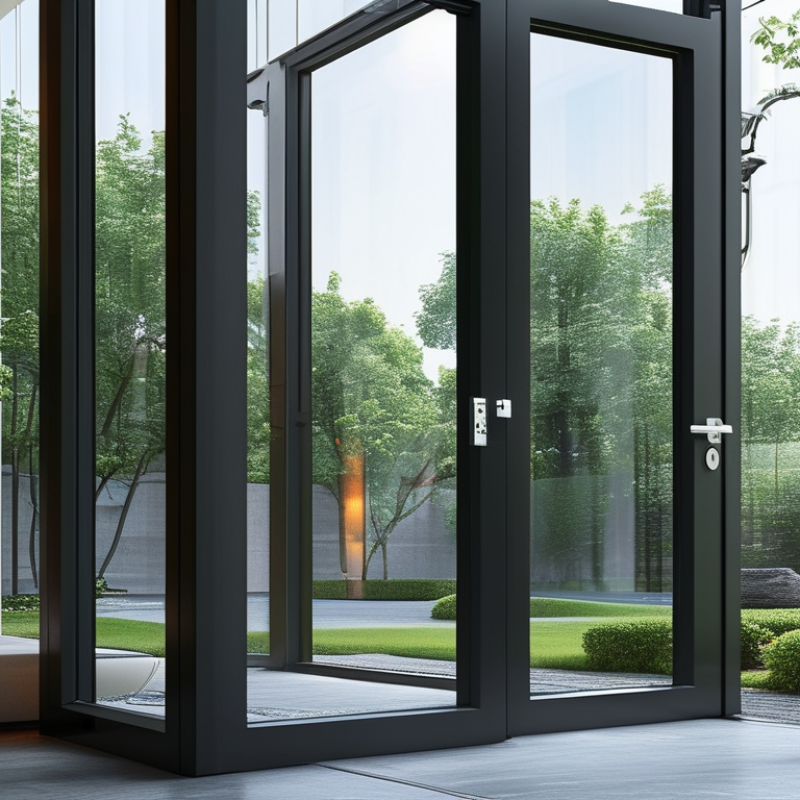
The rise of intelligent window door machinery reflects a significant shift in modern architecture. These innovative systems are not just about aesthetics; they enhance functionality and energy efficiency. For instance, smart windows can adjust their tint based on sunlight. This feature reduces glare and minimizes heating costs. Doors equipped with sensors can optimize airflow by automatically adjusting their opening mechanisms.
Incorporating these technologies presents challenges, too. Not all architects are familiar with integrating smart systems into their designs. There is also the need for robust security features. This aspect cannot be overlooked, as cybersecurity threats increase. Builders face the dilemma of balancing cutting-edge technology with user safety. Sometimes, older building codes do not accommodate these modern solutions.
Smart window door machinery also encourages sustainable practices. Many systems use renewable energy sources, reducing a building's carbon footprint. However, the upfront costs can deter some investors. The long-term savings may not be immediately clear. Architects and designers must carefully weigh these factors. It is essential to communicate the benefits effectively to clients, overcoming any hesitations.
The future of intelligent window door machinery hinges significantly on technological innovations. These advancements not only enhance functionality but also improve energy efficiency and security. With smart sensors, windows and doors can now automatically adjust to weather conditions. This responsiveness can greatly reduce energy costs and enhance comfort in homes.
Tips: Consider integrating smart technology into your next renovation. Look for systems that offer remote access or automation features. The convenience can be a game changer.
Moreover, the evolution also emphasizes user-friendly designs. Touchless controls and mobile apps make operations intuitive. More people find these features appealing, especially in urban settings. Innovative materials also play a vital role. Lightweight yet durable composites are reshaping design possibilities.
Tips: Focus on sustainability when choosing materials. Eco-friendly options are not just responsible; they often offer better longevity and performance. Reflect on how your choice impacts the environment.
Intelligent window door solutions play a crucial role in enhancing energy efficiency. According to the U.S. Department of Energy, windows account for 25% to 30% of residential heating and cooling energy use. Upgrading to intelligent systems can significantly reduce this energy loss. These systems can automatically adjust to external conditions, improving insulation and light management.
For instance, smart windows that change tint based on sunlight can help maintain indoor temperatures. This regulation reduces reliance on heating and cooling systems, ultimately lowering energy bills. A study from the Lawrence Berkeley National Laboratory suggests that smart windows can save up to $1,000 annually in energy costs for a single household.
Tips: Consider integrating sensors with window systems. They can detect humidity and temperature changes, optimizing energy use. Regular maintenance of these systems ensures peak operational efficiency. Adopting these technologies is essential for sustainable living, but awareness of their setup and application is critical to achieving desired outcomes. Mistakes in installation can lead to unforeseen energy expenses. Careful evaluation of your needs is necessary.
| Dimension | Data Type | Energy Efficiency Improvement (%) | Cost Savings ($/year) | Deployment Year |
|---|---|---|---|---|
| Automated Sliding Doors | Commercial | 30% | 2000 | 2022 |
| Smart Window Glazing | Residential | 40% | 150 | 2023 |
| Intelligent Lock Systems | Commercial | 25% | 300 | 2022 |
| Energy-Efficient Bi-Fold Doors | Residential | 35% | 250 | 2023 |
| Sunlight Responsive Windows | Commercial | 30% | 400 | 2024 |
The future of intelligent window and door machinery is critical for enhancing building security and safety. Intelligent systems incorporate advanced technology that can significantly reduce risks. According to a report by Grand View Research, the global smart window market is expected to reach $97 billion by 2027. This growth reflects the increasing demand for enhanced safety features in residential and commercial buildings.
Intelligent systems improve surveillance and access control. For instance, smart doors can integrate facial recognition and biometric scanners. When properly implemented, they can lower the chances of unauthorized access and break-ins. However, reliance on technology raises concerns. Cybersecurity threats can undermine the benefits of intelligent systems if not adequately addressed.
Tips: Choose systems with robust security features. Regular updates are essential to protect against vulnerabilities. Additionally, conducting regular assessments can help identify potential weaknesses in your security setup.
Investing in these advanced systems requires a commitment to ongoing maintenance and training. Understanding the complexities of these technologies is crucial. With proper planning, the benefits can far outweigh the challenges. Ultimately, striking a balance between technology and human oversight is key to achieving optimal security and safety in buildings.
The landscape of intelligent window and door technologies is evolving rapidly. Advances in automation and energy efficiency drive this change. Smart sensors can now adjust window angles based on sunlight. This helps maintain indoor temperatures and reduces energy costs. Users benefit from comfort and energy savings. However, not all systems integrate well with existing structures.
Emerging trends show a move toward user-centric designs. Voice activation and mobile applications allow seamless control of windows and doors. While convenient, these technologies raise questions about privacy. Are our actions being monitored? This concern needs addressing as developers prioritize usability.
Sustainability plays a significant role in future developments. Manufacturers are focusing on eco-friendly materials and practices. Recycling window and door components can become standard. Yet, challenges remain in maintaining durability and performance. Each innovation brings its own set of hurdles. As intelligent window and door technologies advance, their impact on our lives warrants careful consideration.
: Intelligent window door machinery enhances functionality and energy efficiency in buildings. It offers aesthetic appeal and practical benefits.
Smart windows adjust tint levels based on sunlight. This reduces glare and minimizes heating costs within buildings.
Architects often struggle to integrate modern technologies into designs. Many may not be familiar with these advancements.
As technology evolves, cybersecurity threats grow. Strong security features are vital to protect user data and ensure safety.
Upfront expenses can deter investors from adopting smart systems. Long-term savings may take time to materialize.
User-friendly features, like mobile apps and touchless controls, enhance convenience. This is especially appealing in urban environments.
Sustainable practices include using eco-friendly materials and recycling components. These choices benefit both the environment and performance.
Privacy issues come into play with voice activation and mobile controls. Users may worry about monitoring their actions.
Not all smart systems integrate smoothly with existing buildings. Compatibility is a significant consideration for renovations.
Look for sustainable options that ensure longevity. Reflect on the environmental impact of your material choices.
The future of intelligent window door machinery is poised to play a crucial role in modern architecture, driven by significant technological innovations. These advancements are not only enhancing the aesthetic and functional qualities of buildings but also promoting greater energy efficiency. Intelligent window door systems integrate smart technologies to optimize energy consumption, manage natural light, and improve thermal performance, which is essential in achieving sustainable building practices.
Moreover, the integration of intelligent systems further enhances security and safety in buildings by providing advanced monitoring and control mechanisms. As we explore what is the future trend of intelligent window door machinery, it is evident that the focus will shift towards increasing automation, user responsiveness, and the integration of artificial intelligence. These developments promise to redefine how spaces are designed and used, making intelligent window door technologies a pivotal component of future architectural solutions.
