Zhixing Machine
In the window door manufacturing industry, equipment reliability is critical. Downtime from machine breakdowns can lead to significant financial losses. According to a recent report by MarketsandMarkets, the global door and window market is projected to reach $400 billion by 2026, underscoring the industry's rapid growth. Addressing machine issues effectively can enhance productivity and reduce costs.
Manufacturers often face challenges like misalignment, motor failure, and software glitches. Knowing "how to solve common breakdowns in window door making machines" can empower operators. A study from the National Institute of Standards and Technology emphasizes that regular maintenance can reduce downtime by up to 25%. This highlights the importance of understanding both the machines and possible failure points.
However, many facilities still struggle with inconsistent maintenance schedules. Poor training can exacerbate these issues, leading to preventable breakdowns. Realigning machines and updating software should be standard practices. Implementing a proactive approach can significantly improve reliability and efficiency, ultimately benefiting manufacturers in this demanding market.
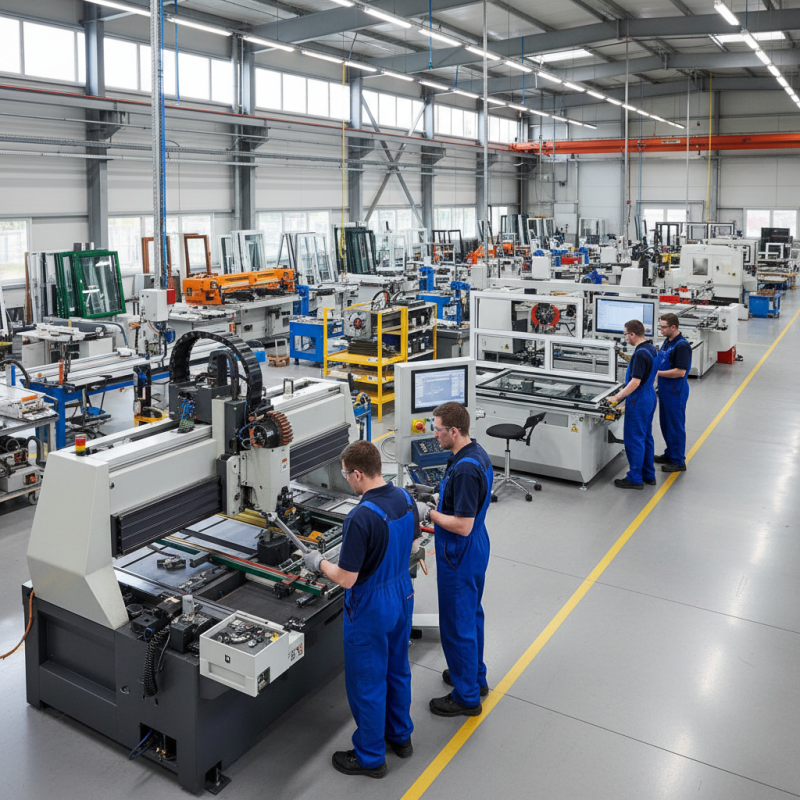
Identifying common problems in window door manufacturing machines is crucial for maintaining productivity. Operators often encounter issues with alignment. Misalignment can lead to improper fitting and wasted materials. Regular checks on device calibration can prevent this.
Another frequent challenge involves machinery wear and tear. Parts may degrade over time, causing decreased efficiency. Keeping a log of maintenance schedules can help identify when replacements are needed. Additionally, environmental factors such as dust can affect machine performance. Implementing a routine cleaning process can mitigate this concern.
Operators may overlook software glitches. These can disrupt programming and lead to inaccuracies. Training staff to recognize unusual behavior in machinery is essential. By fostering an environment of continuous improvement, teams can address these issues effectively. Recognizing that no machine operates perfectly encourages a proactive approach to maintenance and quality control.
Effective maintenance is crucial for window door manufacturing machines. These machines face wear and tear over time. According to the National Association of Manufacturers, about 30% of machine downtime is due to maintenance issues. Regular inspections help identify potential problems early. It's vital to check mechanical components, lubrication systems, and electrical connections frequently.
Failure to maintain these machines can lead to costly repairs. A study by the Manufacturing Institute found that inadequate maintenance can increase production costs by up to 15%. Simple tasks like cleaning and lubricating parts can prevent inefficiencies. Operators should also keep an eye on the machine’s performance and listen for unusual sounds.
Training staff on maintenance protocols is necessary. This creates accountability and ensures everyone understands their role. Reports show that companies investing in employee training see a 20% reduction in machine downtime. Encouraging workers to report issues can significantly enhance machine longevity and performance.
Common mechanical issues in window door manufacturing can disrupt productivity. Identifying problems quickly can save time and repair costs. This guide highlights troubleshooting techniques that are essential for effective maintenance.
When faced with issues like misalignment, examine the machine's frame and tracks. Misplaced components often lead to improper door operation. Check the screws and bolts for tightness. They can loosen over time and cause alignment problems.
It's important to watch for unusual vibrations during operation. This can indicate worn-out bearings or unbalanced components. Regularly inspect these parts to prevent bigger issues. Consider scheduling routine maintenance to catch potential problems early.
Keep a log of any recurring issues. This helps identify patterns and improve response strategies. Engaging the team in this process fosters a culture of proactive problem-solving. Remember, even minor adjustments can lead to significant improvements in efficiency.
Upgrading components in window door manufacturing machines is crucial for improving reliability and efficiency. According to a report by the National Association of Manufacturers, machinery failure can lead to production halts, costing companies an average of $22,000 per hour in lost productivity. Improving machine components can significantly reduce downtime.
One effective upgrade is implementing high-quality bearings. Studies show that faulty bearings account for 30% of machine failures. By upgrading to ceramic or stainless steel bearings, manufacturers can enhance durability and minimize friction. This change can lead to smoother operations and increased output. Another area to focus on is the control systems. Employing advanced sensors and automation can enhance precision and streamline workflows.
**Tip:** Regularly assess your components for wear and tear. Schedule maintenance proactively to avoid unexpected breakdowns.
It's essential to note, however, that not all upgrades yield immediate benefits. Some changes require a period of adjustment for staff and processes. Continuous training and adaptation are vital. This leads to more sustainable improvements over time.
**Tip:** Gather feedback from operators on any new upgrades. Their insights can highlight unforeseen issues and improve future implementations.
| Issue | Common Causes | Upgraded Components | Expected Outcome |
|---|---|---|---|
| Misalignment of Doors | Wear and tear on hinges | Heavy-duty adjustable hinges | Improved alignment and ease of adjustments |
| Inconsistent Sealing | Deteriorated weather stripping | Upgraded weather seals | Better insulation and energy efficiency |
| Slow Operation | Aging motors | High-speed motors | Faster operation and shorter cycle times |
| Excessive Vibrations | Worn bearings | Precision-engineered bearings | Smoother operation and reduced wear |
| Frequent Breakdowns | Obsolete electronic components | Modern control systems | Increased reliability and lower downtime |
Regular inspections are crucial in window and door manufacturing. These checks can identify issues before they escalate. According to a report by the National Institute of Standards and Technology, systematic inspections can reduce machinery downtime by up to 30%. This statistic highlights the importance of proactive maintenance.
Implementing a regular inspection schedule ensures that all components function optimally. For instance, monitoring the calibration of cutting blades can prevent significant production delays. Inspection criteria should include evaluating wear and tear, lubrication levels, and electrical components. A small oversight, like ignoring the buildup of debris, can lead to costly repairs.
Many manufacturers overlook the need for routine checks, assuming that machinery will work without issues. However, data from the Manufacturing Industry Alliance suggests that 70% of equipment failures stem from inadequate maintenance. By adopting a culture of regular inspections, businesses can improve reliability and efficiency.
: Misalignment is a frequent issue, leading to poor fitting and wasted materials.
Regular checks on device calibration help prevent alignment issues.
Parts degrade over time, resulting in decreased efficiency and potential breakdowns.
Keep a log of maintenance schedules to identify when parts need replacement.
Dust can affect performance, so implementing regular cleaning mitigates this concern.
Training staff to recognize unusual behavior helps address programming disruptions.
Examine the machine's frame and tracks to check for misalignment.
Unusual vibrations during operation can indicate bearing issues.
Upgrading components, like using high-quality bearings, improves durability and reduces failure risks.
Operator insights can uncover unforeseen issues and improve future systems.
In the operation of window door manufacturing machines, identifying and addressing common issues is crucial for maintaining productivity and quality. This involves recognizing mechanical problems, implementing essential maintenance practices, and employing effective troubleshooting techniques. Regular inspections play a vital role in preventing breakdowns, ensuring that machinery operates smoothly and efficiently.
To enhance reliability and efficiency, upgrading components may be necessary. By focusing on these strategies, manufacturers can learn "how to solve common breakdowns in window door making machines," thereby minimizing downtime and maximizing output. Adopting a proactive approach to maintenance and problem-solving not only extends the lifespan of the machines but also supports consistent production standards.
