Zhixing Machine
Maintaining your profile processing machinery is crucial for maximizing its lifespan and efficiency. This equipment often represents a significant investment for businesses, making it essential to understand how to maintain profile processing machinery for longer service life. Proper care can prevent costly repairs and downtime.
Regular inspections and maintenance routines are vital. Components should be checked for wear and tear, and any issues should be addressed promptly. Overlooking minor problems can lead to major failures later on. Lubrication and cleaning are also important practices that help machinery run smoothly.
Operator training cannot be ignored. Well-trained staff can identify potential issues early. Their understanding of the equipment's operation can help avoid unnecessary strain. Each machine will have its nuances, and recognizing them is crucial for long-term performance. Consider developing a comprehensive maintenance plan to ensure consistency and reliability.
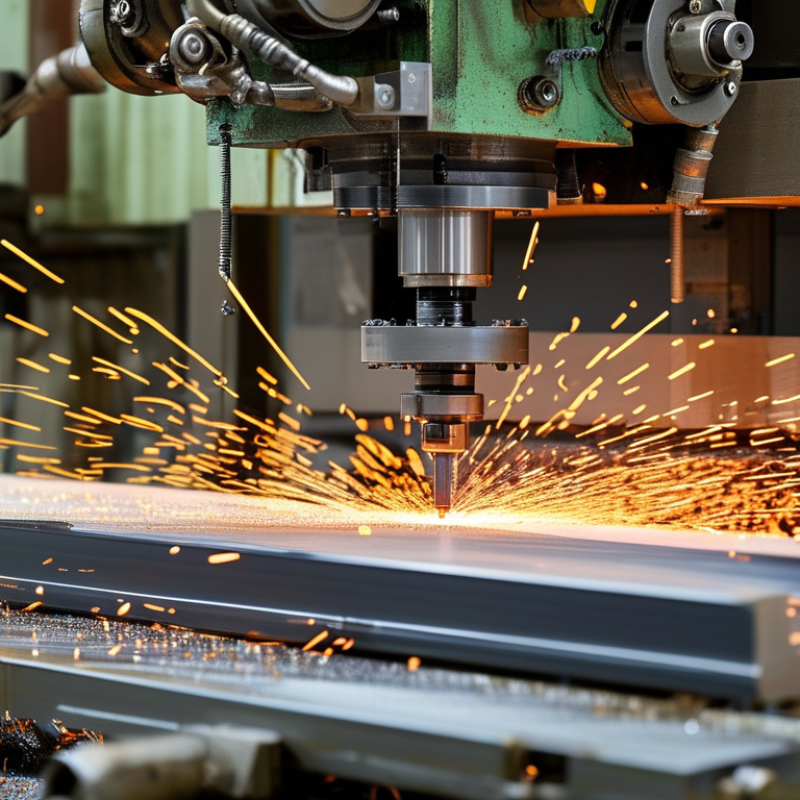
Maintaining machinery in profile processing is crucial for longevity and efficiency. Regular upkeep can prevent unexpected breakdowns. When machinery fails, production halts, leading to costly delays. A well-maintained machine ensures smooth operation and consistent quality in output.
Daily checks, such as inspecting belts and lubricating moving parts, can have a major impact. Machinery should be cleaned regularly to avoid dust buildup. Dust can cause overheating and part failure. Operators must be trained to recognize warning signs like unusual noises or vibrations. Ignoring these may lead to bigger problems down the line.
It is important to document maintenance activities. Keeping a log helps track performance issues. Patterns may reveal underlying problems. Machinery maintenance often becomes an afterthought, but it requires commitment. Reflecting on past maintenance efforts can uncover areas for improvement. Regular feedback from operators can guide maintenance strategies. A proactive approach pays off in the long run.
Maintaining profile processing machinery is essential for optimal performance. Regular cleaning techniques can significantly enhance machinery lifespan and efficiency. Industry data indicates that up to 30% of machinery failure can be attributed to inadequate maintenance. A routine cleaning schedule will minimize dust accumulation and ensure smooth operation.
Utilizing an appropriate cleaning method is vital. Compressed air can effectively remove debris, while soft brushes prevent damage to sensitive components. According to a recent report, 50% of operators noted improved machinery performance after implementing weekly cleaning protocols. However, many facilities still overlook this basic maintenance step. Neglecting regular cleaning can lead to decreased productivity and increased operational costs.
Operators should also inspect machinery during cleaning. Small issues, if left unattended, can escalate quickly. Addressing wear and tear promptly has shown to decrease maintenance costs by 15%. Establishing a culture of thorough inspections while cleaning can help spot problems early. Adopting these practices not only extends the machinery's lifespan but also encourages a proactive approach to maintenance.
When extending the lifespan of your profile processing machinery, key components deserve special attention. Regular monitoring of these parts can significantly impact overall efficiency and longevity. For instance, keep an eye on the drive mechanisms. Over time, belts and gears may wear down. A simple visual check can reveal cracks or excessive stretching. This small step can prevent bigger issues down the line.
Another crucial area is the cooling system. Machinery generates heat, which, if not managed, can lead to breakdowns. Inspect coolant levels and ensure fans are functioning properly. Dirty or blocked filters can hinder performance. Cleaning them regularly can make a noticeable difference. Ignoring this can lead to reduced efficiency and costly repairs.
Tips: Consider implementing a routine maintenance schedule. This proactive approach can catch potential issues early. Document any changes or repairs made. This creates a reliable history for future reference. Take time to reflect on past maintenance decisions. Learning from mistakes enhances your understanding of machinery care.
This chart illustrates the impact of various key components on the lifespan of profile processing machinery. Monitoring lubrication frequency, cooling system efficiency, regular maintenance, operational hours, and load conditions can significantly enhance the longevity of your equipment.
Preventive maintenance is essential for extending the lifespan of profile processing machinery. Regular inspections can identify issues before they become serious. For example, check the alignment and tension of belts to prevent wear. Schedule daily checks for lubricants; if neglected, machines can seize up. A consistent cleaning routine can also keep the equipment running smoothly. Dust and debris buildup can lead to overheating.
Pay attention to vibration analysis. This practice helps detect imbalances in machinery. Unexpected vibrations are often the first sign of trouble. Addressing these early may save costs on repairs. Monitor temperature levels as well; excess heat can indicate deeper issues.
Documentation is crucial in maintenance. Keeping detailed records helps track repairs and replacements. Reflecting on past mistakes can provide insights into future maintenance schedules. Sometimes, we overlook minor issues until they escalate. A proactive approach is not just about fixing but also about learning and improving. This cycle of reflection can enhance the reliability of your machinery over time.
Upgrading and retrofitting your profile processing machinery can breathe new life into your operations. Modernization may include replacing outdated components or enhancing software systems. For example, integrating advanced sensors enhances precision and reduces waste. Newer technologies often provide better energy efficiency, leading to lower operating costs.
However, these upgrades are not always straightforward. The installation phase can be messy and time-consuming. Equipment downtime during installation can disrupt production schedules. This underlines the importance of planning carefully. Involve skilled technicians who understand both the machinery and the latest advancements.
Additionally, consider the long-term implications of retrofitting. Some upgrades might require ongoing maintenance or staff training. Balancing costs versus benefits is crucial. While improvements may yield significant efficiency boosts, the transition should be evaluated thoroughly. Weighing the pros and cons is essential for sustainable growth.
: Preventive maintenance involves regular inspections to identify potential issues in machinery.
They help catch problems early, preventing costly repairs and downtime later.
Daily checks should include lubricants and belt alignment to avoid machine seizing.
Consistent cleaning prevents dust buildup, which can lead to overheating and inefficiency.
It detects imbalances and helps identify potential issues before they worsen.
Keeping records of repairs helps track maintenance schedules and reflect on past issues.
Upgrading can improve energy efficiency and reduce operating costs with modern features.
The installation can be disruptive and time-consuming, affecting production schedules.
Weigh costs against benefits and consider ongoing maintenance and training needs.
It provides valuable insights for improving future maintenance practices.
In the article titled "How to Extend the Lifespan of Your Profile Processing Machinery," the focus is on essential practices to ensure the longevity of profile processing equipment. Understanding the importance of machinery maintenance is crucial, as regular upkeep not only enhances performance but also prevents costly breakdowns. Implementing regular cleaning techniques is imperative to maintain optimal functioning and to prevent the build-up of debris that could impair machinery operation.
Key components of profile processing machinery must be monitored consistently to ensure durability. Preventive maintenance practices, such as scheduled inspections and timely repairs, play a vital role in extending machinery life. Additionally, upgrading and retrofitting equipment can modernize operations and improve efficiency. Overall, the article highlights effective strategies on how to maintain profile processing machinery for a longer service life, emphasizing the need for proactive management to safeguard investments in machinery.
