Zhixing Machine Zhixing Machine

How to Calculate Production Capacity of Profile Processing Lines?

Time:2026-05-11 Author:Henry
0%

Understanding "How to calculate production capacity of profile processing lines" is crucial for manufacturers. Accurate capacity calculations ensure efficient operations. It helps in optimizing resources, minimizing waste, and maximizing profitability.

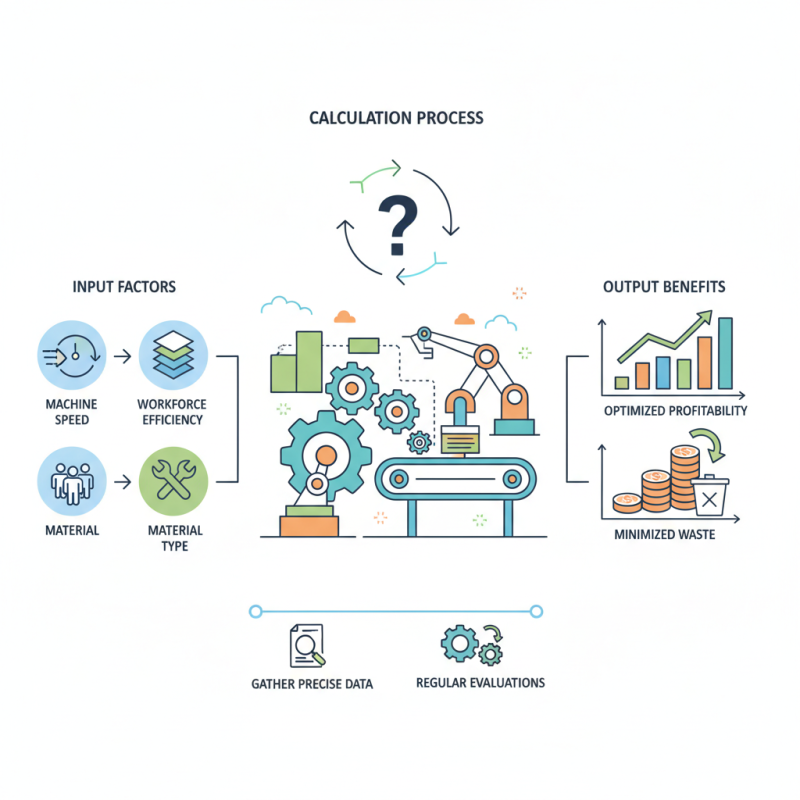
Profile processing lines can vary widely in design and output. Factors such as machine speed, workforce efficiency, and material type all come into play. Miscalculating these elements can lead to costly downtimes and project delays.

It is essential to gather precise data on all aspects of production. Regular evaluations of the processing lines will help maintain accuracy. By refining the calculation process, companies can enhance their productivity and adapt to market demands.
How to Calculate Production Capacity of Profile Processing Lines?

Understanding Production Capacity in Profile Processing Lines

Understanding production capacity in profile processing lines is crucial for optimizing efficiency. Capacity is often measured in units produced per hour or day. According to industry reports, a well-optimized profile processing line can achieve a production capacity of 70-80% of its theoretical maximum. This efficiency is vital for meeting customer demands while minimizing costs.

Calculating production capacity requires analyzing the entire production process. Factors include machine speed, operator skill, and material availability. It’s essential to consider downtime for maintenance, as it significantly impacts output. A study found that companies improving maintenance routines increased their effective capacity by up to 15%.

Tips: Regularly review your production metrics. Identify bottlenecks in the process. A data-driven approach will enhance decision-making.

Another consideration is workforce training. Skilled operators can increase output and reduce errors. Continuous training programs can improve overall team performance. Remember, not all machinery operates at peak performance all the time, so keep a close eye on each component's efficacy.

Production Capacity of Profile Processing Lines

Key Factors Affecting Production Capacity

Production capacity in profile processing lines is influenced by several key factors. A critical element is machine efficiency. If machines operate below their optimal efficiency, overall production suffers. Regular maintenance can help achieve this, but it requires an understanding of best practices. Too often, operators overlook basic maintenance, leading to unexpected downtimes.

Another significant factor is workforce skill. Skilled workers enhance production quality. Training programs should be a priority. Inadequate training can create bottlenecks, slowing down operations. Companies may believe they save time by skipping training, but the long-term costs can be substantial. Employee expertise directly impacts the processing speed and product quality.

Finally, material quality cannot be ignored. Inferior materials lead to reject rates and delays. Suppliers should meet strict standards to ensure consistency. It’s vital to assess material sources regularly. There is no room for complacency in sourcing. Failing to do so can hinder overall production capacity and profitability. Achieving optimal production requires daily attention to these details.

Step-by-Step Calculation Method for Production Capacity

Calculating the production capacity of profile processing lines can be quite straightforward. Begin by determining the key components involved in production. This includes machinery specifications, working time, and the production process. Each machine has a unique output capacity, often influenced by its configuration and the type of material used.

Next, focus on assessing machine efficiency. This means evaluating factors like downtime, maintenance schedules, and operator experience. Downtime can decrease production output significantly. Create a detailed schedule that considers these factors. Engage with operators to gather insights about any recurring issues. Their feedback can highlight areas for improvement.

Finally, it’s crucial to analyze the data collected. Look for patterns in your production numbers. If production capacity often falls below expectations, investigate further. Check if adjustments to the process can enhance efficiency. Establishing a continuous improvement loop not only increases production capacity but also fosters a culture of reliability and accountability within your team. Adjustments may lead to new challenges; stay adaptable and ready for changes.

Analyzing Production Output vs. Demand in Profile Processing

Understanding production output versus demand is crucial in profile processing lines. Industry reports indicate that inadequate capacity planning can lead to missed orders and loss of market share. In 2022, the average utilization rate in this sector was only 70%. This gap illustrates the importance of aligning production capabilities with market needs.

To effectively analyze this relationship, consider establishing regular assessments of both output rates and customer demand forecasts. Use historical data to identify trends. Incorporating lean manufacturing principles can also optimize production processes, ensuring that they respond to changing demand efficiently. In recent studies, organizations that adopted these practices saw a 15% increase in operational efficiency within six months.

**Tips:** Regularly review production schedules. Adjustments should be made based on seasonal demand fluctuations. Additionally, implement a feedback loop with sales teams. This connection ensures that production aligns closely with what customers actually need. Keep an eye on capacity indicators; do not let them lag behind demand trends.

Optimizing Capacity for Increased Efficiency in Production Lines

Optimizing the capacity of production lines is crucial for enhancing efficiency. When a profile processing line operates at its best, production flows smoothly, reducing downtime. Identify the bottlenecks in the current processes. Analyze each stage, from material handling to machining. Small adjustments can lead to significant gains.

Investing in training your workforce can improve results. Skilled workers adapt quickly to new protocols. This expertise also helps in troubleshooting issues. Encourage continuous feedback from operators. They often spot inefficiencies that management might overlook. Embrace a culture of improvement.

Review maintenance schedules regularly. Equipment failures can halt production, leading to wasted time and resources. Make data-driven decisions to allocate resources effectively. Implementing software solutions can streamline tracking. Understand that strategies will need constant revisiting. What works today may not be viable tomorrow. Adaptability is key in this ever-evolving landscape.

FAQS

: What is production capacity in profile processing lines?

: Production capacity refers to the number of units produced per hour or day in a processing line.

How can production capacity be optimized?

To optimize capacity, analyze machine speed, operator skills, and material availability.

Why is maintenance important for production capacity?

Maintenance impacts output significantly. Improved maintenance routines can enhance effective capacity by 15%.

What should be considered when calculating production capacity?

Consider machinery specifications, working time, and production processes for accurate calculations.

How does operator training affect production?

Skilled operators can increase output and reduce errors. Continuous training is essential for performance improvement.

What is the role of downtime in production capacity?

Downtime can significantly decrease production output. A detailed schedule can help manage it effectively.

Why is a data-driven approach important?

A data-driven approach helps identify bottlenecks and enhances decision-making for better efficiency.

How can feedback from operators improve production?

Operator insights can reveal recurring issues and highlight areas needing improvement in the process.

What should be done if production capacity falls below expectations?

Investigate the process for adjustments and analyze collected data for patterns that may reveal issues.

What challenges might arise from process adjustments?

Adjustments can lead to new challenges, requiring adaptability and readiness for changes in the workflow.

Conclusion

Calculating production capacity in profile processing lines is essential for maximizing efficiency and meeting market demands. The article outlines how to calculate production capacity of profile processing lines by first understanding the fundamental concepts of production capacity and identifying key factors such as machine speed, workforce efficiency, and material availability that influence overall output.

Next, it presents a step-by-step method for calculating production capacity, allowing manufacturers to quantify their potential output effectively. Additionally, the article emphasizes the importance of analyzing production output versus demand, which helps identify gaps and opportunities for improvement. Finally, it discusses strategies for optimizing capacity to enhance productivity, ensuring that production lines operate at their peak potential while aligning with customer requirements.

Henry

Henry

Henry is a dedicated marketing professional with a profound expertise in the company's offerings. With years of experience in the industry, he possesses an impressive understanding of the market dynamics and consumer behaviors that drive success. Henry is committed to sharing his insights through......